| MT.
KILIMANJARO
The snow-capped, dormant volcano that is MOUNT KILIMANJARO
has exerted an irresistible fascination since it was
"discovered" by Europeans in the mid-nineteenth
century. Rising over 5km from the surrounding plains
to a peak of 5895m, Kilimanjaro – a national park
and a World Heritage Site since 1989 – is Africa's
highest mountain, the world's tallest free-standing
massif and one of the world's largest volcanoes.
ZANZIBAR
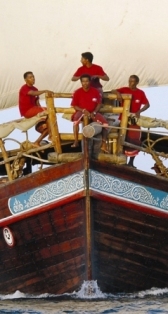
Zanzibar is an archipelago consisting of two main Islands
of Unguja (commonly referred to as Zanzibar Island),
Pemba and about 51 other surrounding small islets. The
name Zanzibar is derived from a combination of two Arabic
words, 'Zenj', meaning black, and 'bar', being the Arabic
word for land, resulting in the ancient title 'Land
of the Blacks'. Pemba is the second largest island of
the Archipelago, named Al-khudra "The Green Island”
by the Arabic mariners. It is famous for its clove production
and its channels offer some of the best diving experiences
in East Africa
NGORONGORO
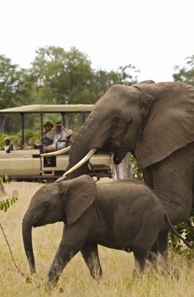
Ngorongoro Crater is the world largest unbroken, unfolded
volcanic caldera 250 sq km in size and 600m deep. The
crater boasts of a blend of landscapes, wildlife, people
and archaeology that is unsurpassed in Africa. The volcanoes,
grasslands, and mountain forests are home to an abundance
of animals and also to the Tanzanian Maasai. Ngorongoro
Crater is one of the world's greatest natural spectacles;
its magical setting and abundant wildlife never fails
to enthrall visitors. It borders the Serengeti National
Park to the south. As you ascend you will notice Masai
pastoralists herding their animals and their strong
insistence on their customs and traditional way of life
allow them to live harmoniously with the wildlife and
the environment. |